
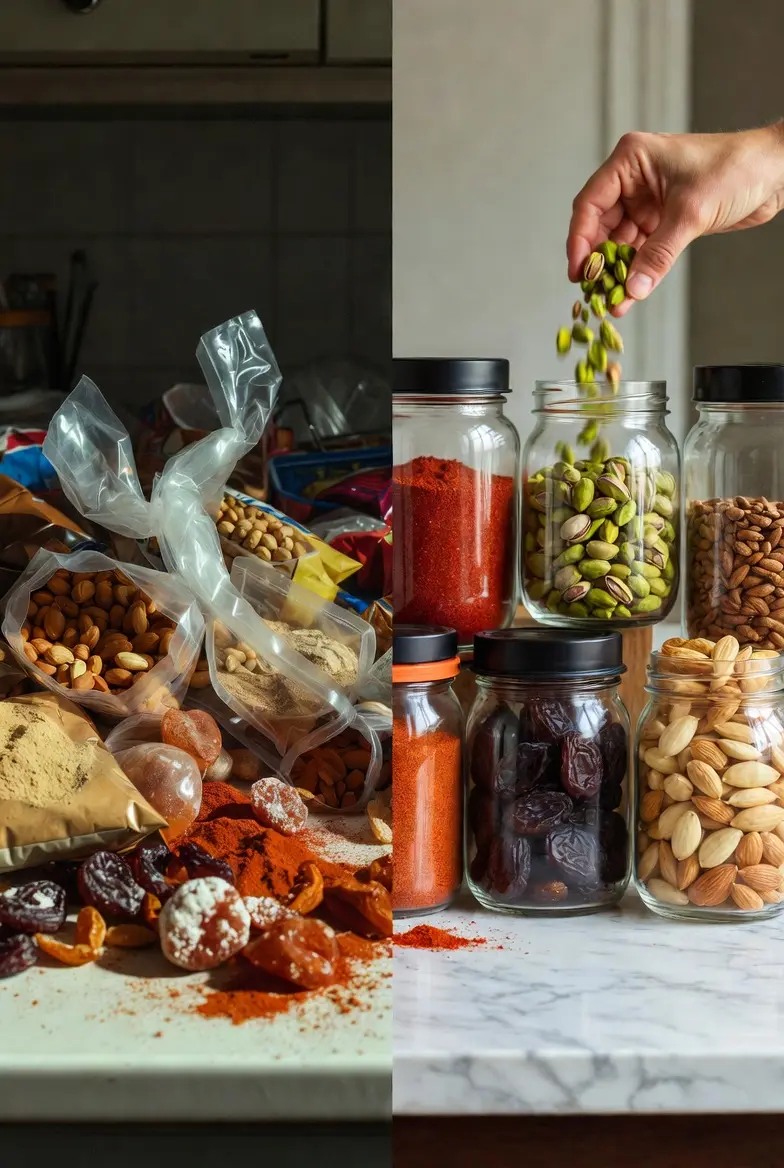
How to Properly Store Spices, Nuts, and Dried Fruits
Knowing how to store foods properly is very important. This practice, first, helps maintain their unique health benefits. Consequently, it prevents waste and saves money. More importantly, correct storage preserves their flavor and freshness. Therefore, you can enjoy their quality for much longer. Ultimately, this ensures you receive their full nutritional value.
Food spoils primarily due to four factors: heat, light, air, and moisture. When storage fails, you lose the food’s best qualities: its flavor, its nutritional value, its strength, and your hard-earned money. The following guidance is designed to counteract these exact problems. It will help your specific ingredients—like bright turmeric, rich pistachios, and juicy blueberries—not only stay fresh but truly perform at their best.
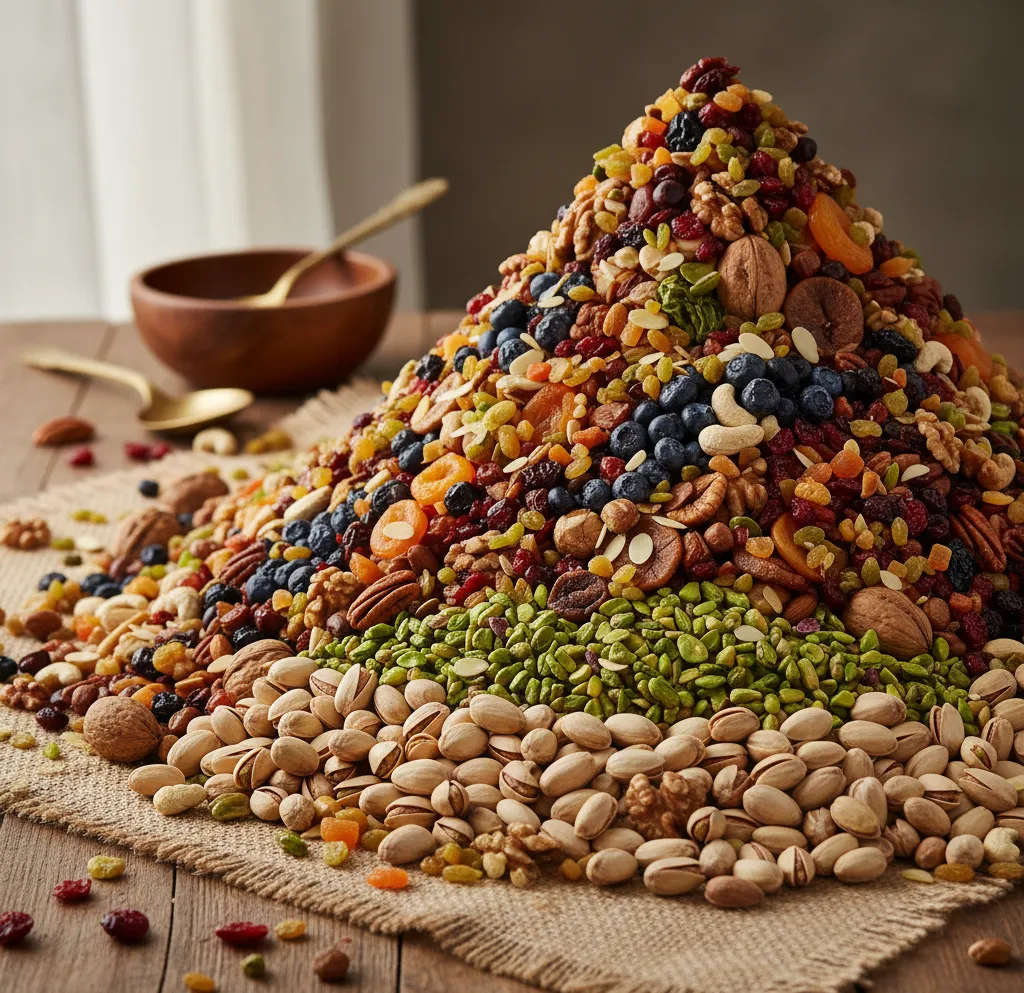
The Core Principles of Proper Storage
Understanding the enemies of freshness is the first step. Now, you must learn how to actively defeat them. This section outlines the three fundamental rules for winning this battle. These core principles are the direct, practical actions that protect your food. They will preserve the flavor, nutrition, and value of every ingredient in your kitchen.
Cool, Dark, Dry, and Airtight
To effectively fight spoilage, you must follow one essential rule. Your storage spot must be cool, dark, and dry. Your container must always be airtight. For instance, your kitchen counter is a poor choice. The area above your stove is even worse. These common spots are simply too warm and bright. They expose your food to its greatest enemies. The ideal environment is below 70°F (21°C) with low humidity.
Choose the Right Container
The correct container is your strongest tool for protection. In this case, glass jars and stainless steel tins are the best options. They are the true airtight champions. Conversely, most plastic and flimsy original packaging often fail. They can let in air and odors over time. Additionally, you should always use labels and date markers. This simple practice is crucial for managing your pantry.
First In, First Out Rule
Managing your stock is the final key step. Therefore, you must adopt a “First In, First Out” habit. Always use your oldest ingredients first. It is also critical to know realistic shelf lives. Typically, ground spices last six months to a year. Whole spices can last one to three years. Most nuts stay fresh for one to six months. Dried fruits generally last six to twelve months. Ultimately, always trust a simple sensory check. If the look, smell, or taste seems wrong, it is time to discard the item.
Spice-Specific Storage Mastery
To apply the core principles specifically to spices, you must understand a critical distinction. Not all spices are created equal when it comes to their shelf life. The form your spice takes—whole or ground—fundamentally changes how you must protect it. By mastering the following specific guidelines, you will ensure your spices remain potent and vibrant for their full lifespan.
Whole vs. Ground: A Critical Distinction
The most important rule is to buy whole spices whenever possible. Whole spices are true storage superstars. Turmeric root, cinnamon sticks, and peppercorns last for years. Their intact structure naturally shields their precious oils and flavors. Conversely, pre-ground powders face a rapid decline. Grinding exposes a much larger surface area to air and moisture. To slow this decline, you must be extra vigilant. Always store ground spices in absolutely airtight containers.
Special Considerations for Premium Spices
Each valuable spice has its own unique needs that require special attention. For turmeric powder and root, the primary goals are protecting its vivid color and potent curcumin content. Airtight, dark glass is essential to prevent fading and clumping. For dried ginger, the focus is preserving its sharp, pungent bite, which can mellow and fade quickly if exposed to air. One universal pro tip is to never store spices in a grinder or shaker over the stove. The constant heat and steam from cooking are a spice’s worst enemies, rapidly destroying their flavor and aroma.
Nuts Storage tips and guides
Applying the core storage principles to nuts requires specific tactics. Unlike spices, these ingredients are prized for their delicate textures and natural oils. Their primary enemies are rancidity and sogginess. By focusing on the unique vulnerabilities of these items, you can ensure your pistachios stay perfectly crisp and your dried blueberries remain deliciously chewy.
The Invisible Enemy: Fighting Fat Rancidity in Nuts
The biggest threat to nuts like pistachios, walnuts, and almonds is the oxidation of their natural fats. This process, called rancidity, leads to a stale, bitter taste. To combat this, cold storage is your most powerful weapon. For long-term freshness, store all nuts in airtight containers in the refrigerator or freezer. This dramatically slows oxidation. Always allow refrigerated nuts to come to room temperature before opening the container. This prevents moisture from condensing inside and making them soggy.
Preserving Texture and Sweetness in Dried Fruits
For nuts like walnuts, almonds, and pecans, texture and taste are delicate. Their natural oils are their glory, but also their vulnerability. To prevent them from turning soft, stale, or unpleasantly bitter, you must protect them from their enemies: air, warmth, and light. The goal is to lock in that satisfying crunch and rich, toasty flavor. For superior preservation, store nuts in a rigid, airtight container in the refrigerator or freezer. This cold, dark environment keeps oils stable. If nuts lose their crispness, revive them by toasting in a dry pan or a low oven. This simple step reawakens their essential oils, restoring both their satisfying snap and deep, nutty essence.
Preserving Dried Fruits guidance
Dried fruits present a unique storage challenge centered on sugar and moisture. Successfully preserving their perfect chewy texture requires a precise balance. This chapter provides focused strategies for managing stickiness, preventing hardening, and applying special care to delicate fruits like jujube, ensuring your pantry staples remain a sweet, wholesome delight.
The Sugar and Moisture Balancing Act
Stickiness in dried fruits is a natural result of their high sugar content. This sugar can draw moisture from the air, creating a tacky texture. To manage this, you must store them in a tightly sealed, rigid container. Furthermore, the type of fruit matters. “No-sugar-added” fruits often require more diligent sealing to stay soft. Conversely, fruits preserved with added sugars have a higher moisture baseline. These sweetened fruits often benefit from refrigeration to prevent fermentation and mold.
Preventing Hardening and Crystallization
If your dried fruits become unpleasantly hard, a simple trick can help. Placing a slice of fresh bread in the container for 6-12 hours often works. The bread releases moisture that the fruit gently reabsorbs. For consistently sticky or oily fruits like dates and jujube, refrigeration is generally the best practice. The cold environment prevents clumping and slows sugar migration. Special focus should be given to jujube (red dates). Traditional wisdom advises storing them in a cool, dark place in a breathable container. A modern, effective method is to combine this with an airtight glass jar in the refrigerator. This approach perfectly controls humidity and protects their rich flavor.
Storage Troubleshooting & Pro Tips
Even with perfect storage, ingredients sometimes need a little help. This final chapter equips you with practical solutions to salvage texture and flavor, highlights the most common errors to avoid, and provides a simple checklist to keep your pantry in top condition. Following this guidance ensures your efforts in proper storage yield the best possible results.
Your Storage Quick-Check Checklist
Use this simple list to maintain a perfect pantry.
Is everything in an airtight container?
Is every container labeled and dated?
Are all items stored in a cool, dark, and dry location?
Are nuts and oily seeds kept in the refrigerator or freezer?
Are sticky dried fruits stored separately and possibly chilled? Performing this quick check regularly is the easiest way to guarantee long-lasting freshness and quality.
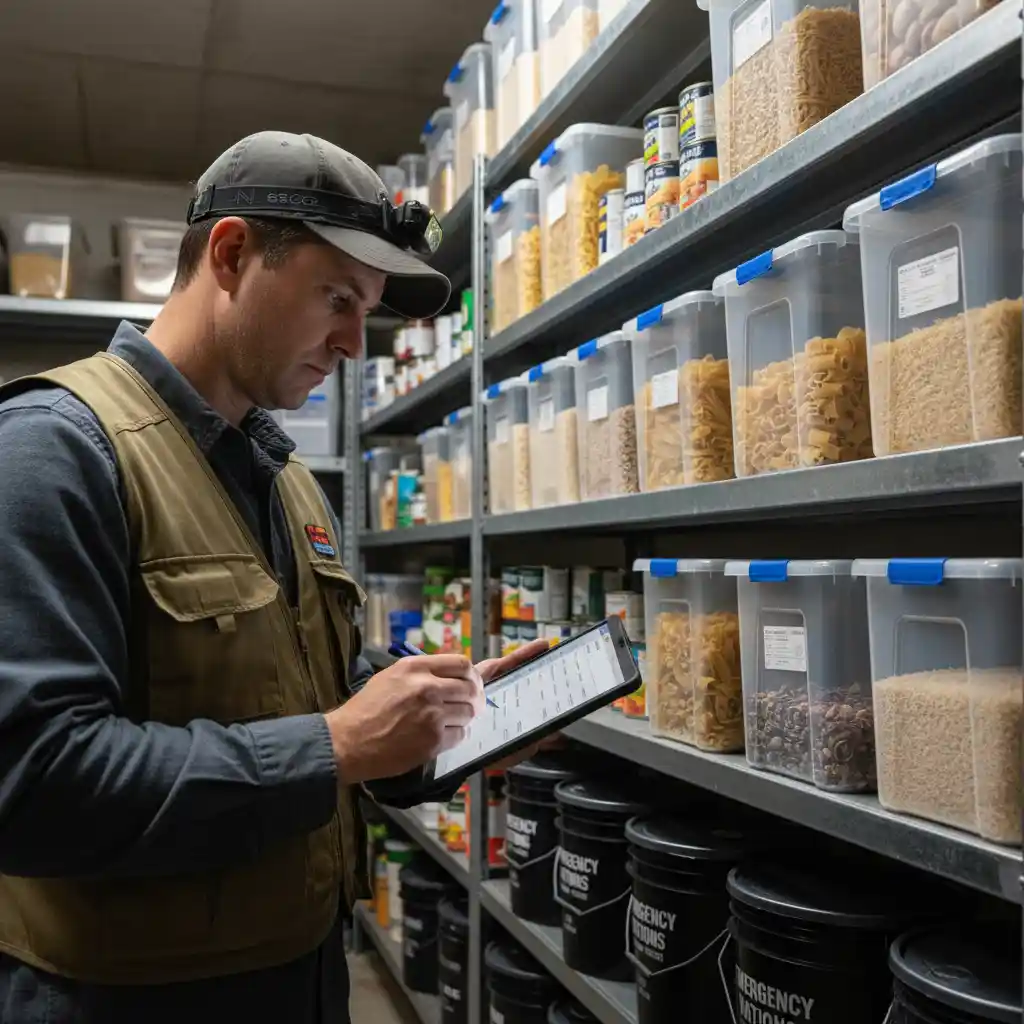

Common Mistakes to Avoid
Many storage failures are caused by simple, avoidable habits. Never store spices or nuts in clear glass on a sunny windowsill. Avoid pouring ingredients from their containers directly over a steaming pot. Do not ignore “best by” dates once a package is opened. Finally, resist the urge to mix new stock directly into an old container. This practice contaminates the fresh batch and shortens its lifespan. Always use up the old supply first.
NITC Products Pantry & Produce Storage Guide
To maximize freshness, flavor, and shelf life, different foods have unique storage needs. Here are concise, essential tips for keeping a selection of common nuts, preserves, oils, and fresh produce at their best.
Cool, dark, airtight container. Refrigerate or freeze for long-term.
In brine/oil, refrigerated after opening. Keep submerged.
Dark glass bottle, cool & dark place (not by stove). No fridge.
Dry, in fridge in vented container. Don’t wash until eating.
At room temp if eating soon; refrigerate in a breathable bag for longer.
Whole in a paper bag in the fridge crisper. Freeze for long storage.
Whole in a paper bag in the fridge crisper. Freeze for long storage.

