
Table of Contents
Iranian Tomatoes for Global Distributors
Finding reliable tomato sources in Iran frustrates many importers. The market overflows with suppliers who promise quality but fail to deliver. Importers waste months vetting manufacturers without proper standards. Iran grows excellent tomatoes, yet locating genuine producers among countless intermediaries proves difficult. Food distributors often receive samples that match expectations, only to find shipment grades disappoint. This inconsistency disrupts supply chains.
Tomato paste manufacturers sometimes use outdated equipment with inconsistent methods. Their batch variations create uncertainty for sauce manufacturers needing stable products. Food service suppliers demand partners who understand commercial needs. Finding verified Iranian producers adds complexity through language barriers and limited transparency. Importers need someone who guarantees product integrity from source to shipment.
NITC: Trusted Supplier for Iranian Tomatoes
From Seed to Fruit: How Tomatoes Grow
The tomato is a fruit that most people treat as a vegetable in their kitchens. Botanically, it belongs to the nightshade family alongside potatoes and peppers. This versatile ingredient forms the foundation of countless global cuisines. The tomato plant grows as a vine that requires warm temperatures and plenty of sunlight. Farmers typically start with tomato seeds in controlled environments before transplanting. These tomato seedlings develop into plants that produce fruit over several months.
Iranian Tomato Health Benefits
What makes tomatoes truly remarkable is their nutritional profile. They pack significant vitamins into very few calories. A medium tomato contains only about 22 calories while providing vitamin C, potassium, and lycopene. The health benefits of tomatoes extend far beyond basic nutrition. Lycopene acts as a powerful antioxidant that supports heart health. Regular consumption may reduce inflammation and protect against certain diseases.
Tomato nutrition includes impressive amounts of vitamin A for eye health and vitamin K for bones. The fruit also provides smaller amounts of B vitamins and manganese. Eating them fresh or cooked both offer distinct advantages. Understanding the crop from seed to fruit helps importers appreciate quality differences. This knowledge separates professional buyers from amateurs in the global market.
A Complete Guide to Tomato Varieties
Tomatoes come in hundreds of varieties, each with distinct characteristics for different uses. Knowing these differences helps buyers select the right product for their specific needs. From sauce production to fresh salads, the right tomato makes all the difference.
Large Tomatoes for Slicing and Cooking
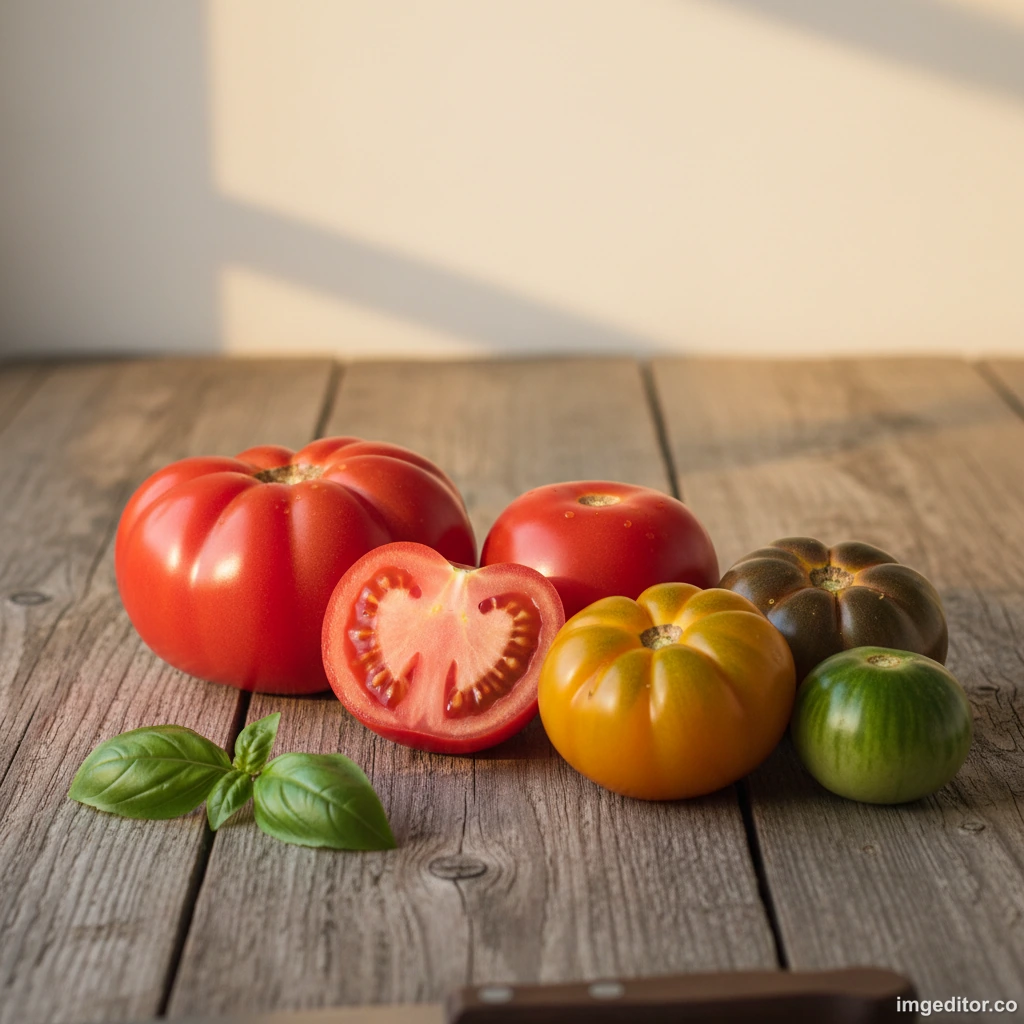
- Beefsteak tomatoes rank as the largest and meatiest variety available. Their substantial size makes them the best tomatoes for slicing onto burgers and sandwiches. One slice often covers an entire piece of bread.
- Round slicing tomatoes, sometimes called globe tomatoes, offer the classic tomato shape most people recognize. They balance juice and flesh perfectly for everyday use. These work well for both slicing and general cooking.
- Heirloom tomatoes come in stunning colors and unique flavor profiles. Farmers have passed these seeds down through generations without cross-breeding. Their irregular shapes and rich taste make them prized by chefs.
Tomatoes Ideal for Sauces and Processing
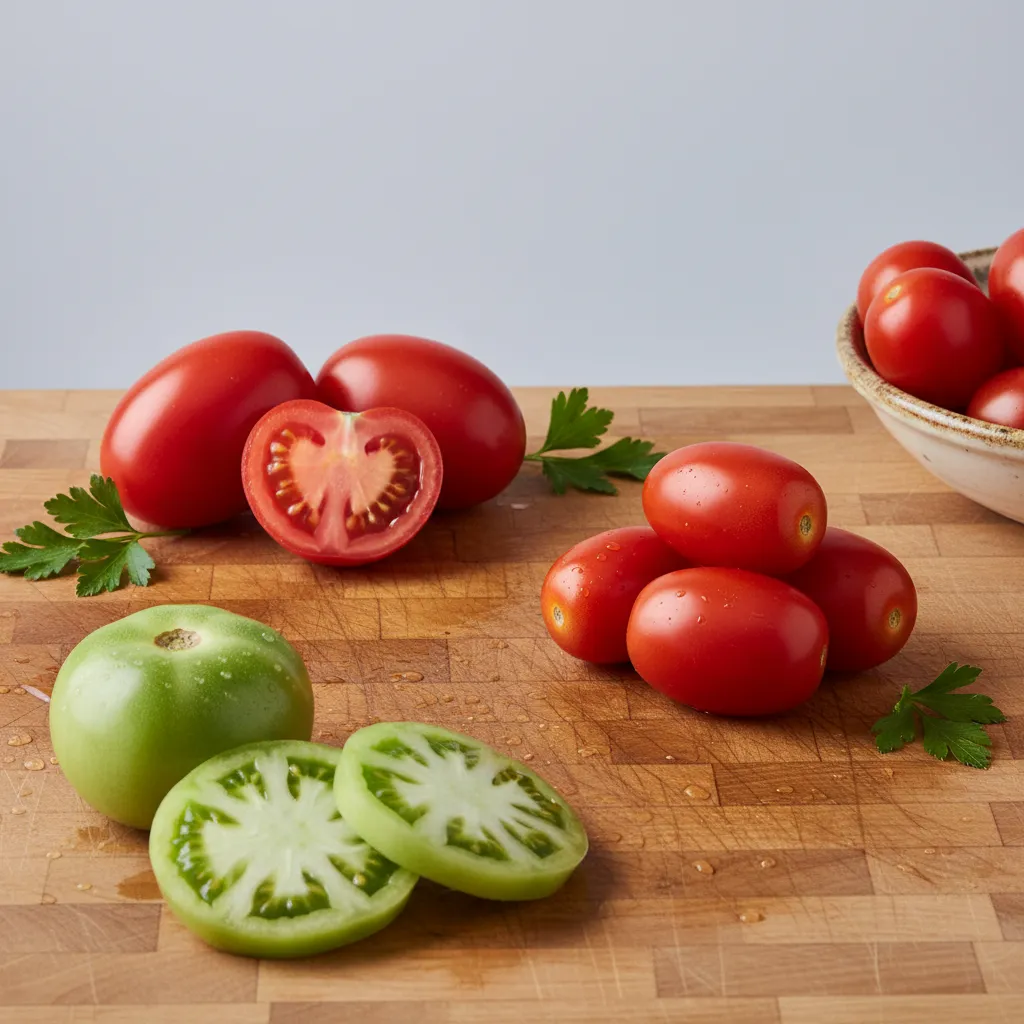
- Roma tomatoes feature thick walls with fewer seeds and less juice. Their dense flesh makes them the best tomatoes for sauce production. They cook down quickly into rich, concentrated paste.
- Plum tomatoes share similar characteristics with Romas but come in slightly different shapes. Food service suppliers prefer them for consistent sauce making. Their low moisture content reduces cooking time significantly.
- Green tomatoes offer firm texture and tangy flavor when harvested early. Chefs fry them or use them in relishes and chutneys. They provide versatility that ripe red tomatoes cannot match.
Small Tomatoes for Salads and Snacking
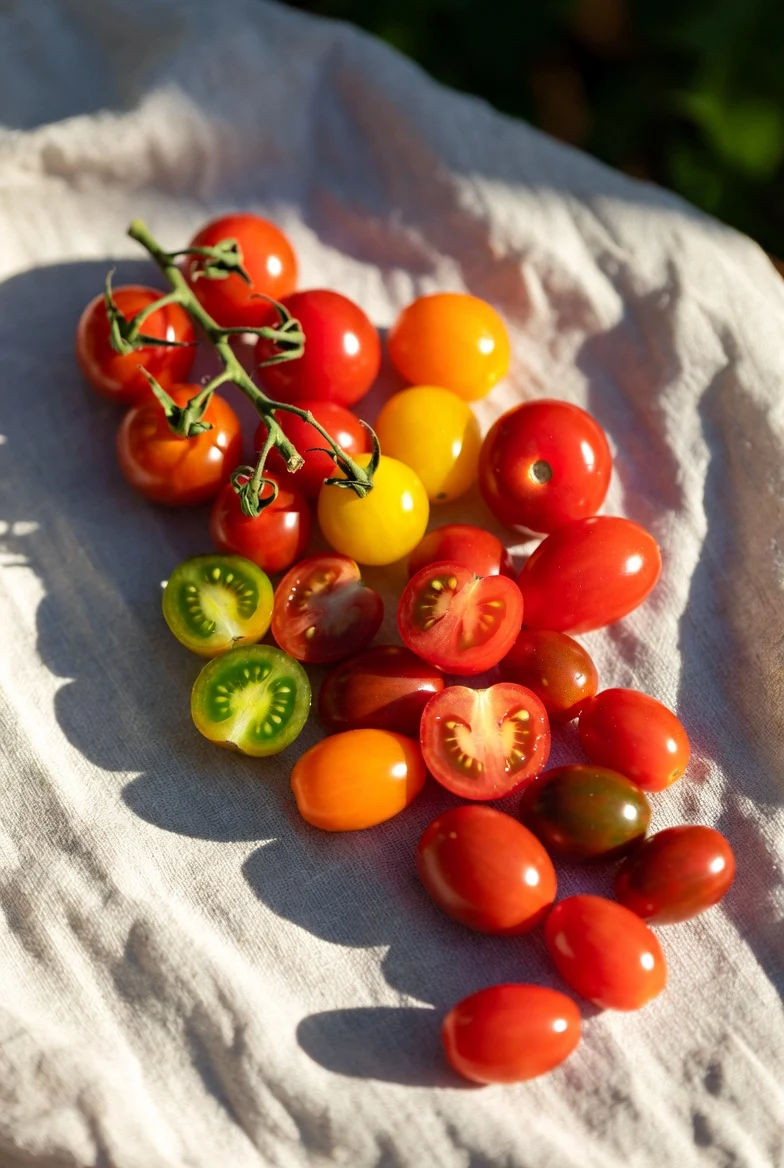
- Cherry tomatoes grow small and round like their namesake. Their sweet flavor and thin skin make them perfect for salads. They burst with juice when bitten.
- Grape tomatoes resemble oblong grapes in both size and shape. They feature thicker skins than cherries, which helps them ship better. These hold up well in lunch boxes and vegetable platters.
Specialty and Niche Varieties
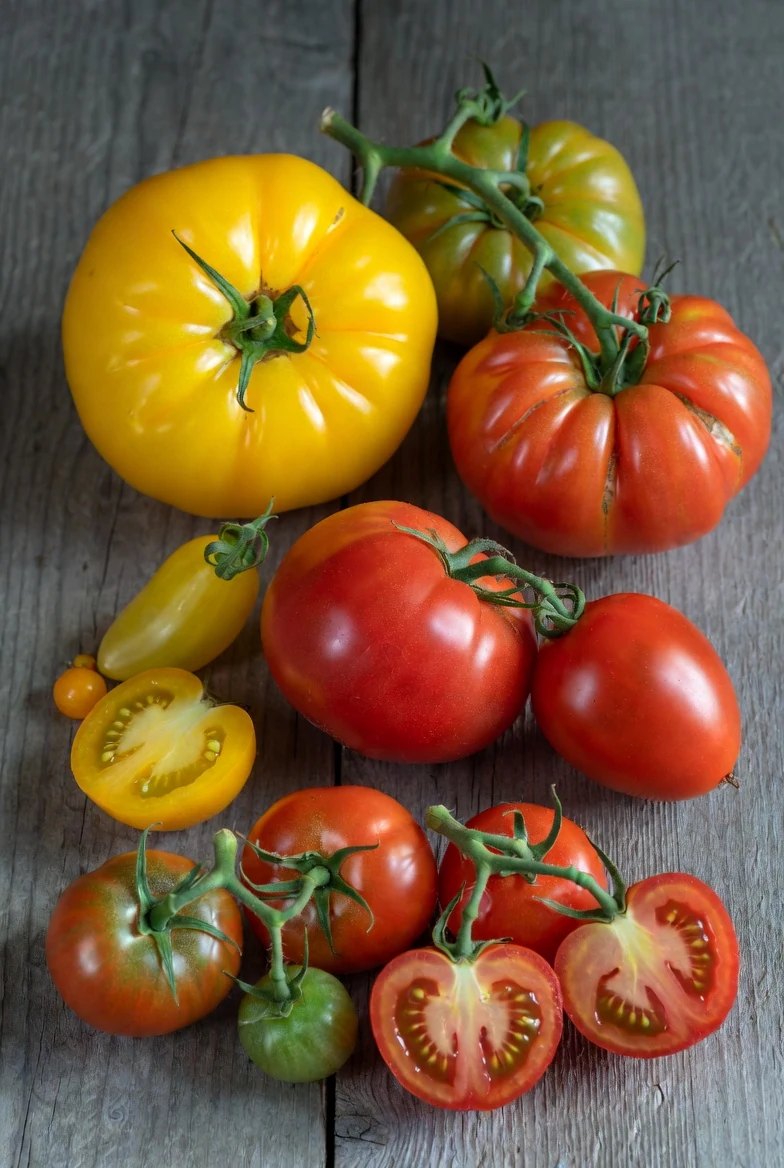
- Yellow tomatoes provide the same juicy experience with less acidity. Their mild flavor appeals to people who find red tomatoes too tangy. They add beautiful color contrast to dishes.
- Organic tomatoes come from farms using natural growing methods without synthetic chemicals. Health-conscious buyers specifically seek these out. Demand continues growing worldwide.
- Hybrid tomatoes result from controlled cross-breeding of two different varieties. Breeders create them for disease resistance or better yields. They dominate commercial farming operations.
- Indeterminate tomatoes grow and produce fruit continuously throughout the season. They require staking and pruning but reward farmers with extended harvests. Most heirloom varieties fall into this category.
| Property | Typical value / range |
|---|---|
| Brix (Total Soluble Solids) | 3.5 – 5.0 °Bx |
| pH level | 4.2 – 4.5 |
| Titratable acidity (as citric) | 0.35 – 0.45 g/100cc |
| Fructose | 1.0 – 1.6 g / 100g |
| Glucose | 0.9 – 1.4 g / 100g |
| Total sugar | 1.9 – 3.0 g / 100g |
| Citric acid | 2.5 – 3.3 mg/g |
| Malic acid | 3.0 – 4.5 mg/g |
| Ascorbic acid (vitamin C) | 10 – 20 mg / 100g |
| Brix‑acid ratio (sugar:acid) | 10 : 1 to 15 : 1 |
| Dry matter | 5.0 – 6.5% |
| Lycopene (antioxidant) | 2.3 – 9.5 mg / 100g |
| Beta‑carotene | 0.4 – 0.5 mg / 100g |
NITC: Premium Round Tomatoes from Iran
At NITC, our entire operation revolves around a single, unwavering commitment: providing the highest quality round tomatoes to discerning buyers in global markets. While other suppliers may attempt to offer an overwhelming array of varieties, we deliberately choose a more focused and disciplined path. Instead of spreading our efforts thin across dozens of different types, we dedicate all of our expertise, resources, and passion to perfecting the one tomato that truly matters most. This singular focus allows us to achieve a level of quality and consistency that is simply unattainable for those who try to do too much. As both a dedicated grower and a seasoned exporter, we maintain complete control over the entire supply chain, from the very first seed to the final delivery at your destination. This vertical integration means that we are involved in and oversee every critical step of the process—from nurturing the plants in our state-of-the-art facilities to carefully packing and shipping the finished product.
Greenhouse Excellence and Diversity
Our advanced greenhouses produce Export Quality Tomatoes that consistently exceed international standards for size, color, firmness, and taste. Protected environments ensure reliable year-round supply with cleaner, blemish-free fruit.
To complement this core production, we partner with trusted field-grown farms to meet seasonal demand spikes. These tomatoes develop unique, sun-kissed flavor profiles during peak seasons that many buyers prefer. By offering both greenhouse and field-grown options, we match diverse customer preferences without compromising on quality.
NITC Tomatoes: The Quality You Can Trust
All our round tomatoes are Non-GMO and grown using responsible methods. We never compromise on safety or taste for higher yields. Every shipment carries our reputation. Fresh Tomatoes leave our facilities within hours of harvesting. Our packing systems preserve quality during transit. Buyers receive product that tastes like it just came from the garden. Direct from Farm sourcing means no middlemen handling your product. We eliminate the hands that typically add cost and risk. You deal directly with the source.
Our Year-Round Supply of Greenhouse Grown Tomatoes sets us apart from seasonal exporters. We never tell customers to wait for the next harvest. We deliver when you need, not when nature allows. Round tomatoes, sometimes called globe tomatoes, represent our sole focus. This specialization means we understand this variety better than anyone. We know its growing patterns, challenges, and perfect harvesting window.
NITC Round Tomato: Grades & Use
While the first table focused on the chemical makeup and flavor indicators, this table translates those numbers into real-world quality benchmarks. Here you’ll find how round tomatoes are graded by Brix values—from bland greenhouse fruit to exceptional garden specimens—along with key mineral content, optimal harvest maturity, and storage recommendations for fresh use.
What Brix Levels Tell You About Tomatoes
Fresh round tomatoes, including slicing and beefsteak varieties, are judged primarily by their Brix value—a measure of sugar content that directly reflects flavour. Supermarket standard tomatoes typically range from 3.5 to 4.5 °Bx, offering mild, acceptable taste, while vine-ripened or garden-grown tomatoes reach 4.5 to 5.5 °Bx for noticeably sweeter, richer flavour. Anything below 3.5 °Bx is considered watery and bland, while exceptional specimens above 5.5 °Bx are rare but highly prized. With an average water content of 94%, these tomatoes are best harvested at full colour with slight give when pressed, stored at room temperature, and used fresh in salads or sandwiches—refrigeration is only recommended once fully ripe to preserve texture.
| Property | Typical value / description |
|---|---|
| Potassium (K) | 174 – 237 mg / 100g |
| Phosphorus (P) | 21 – 24 mg / 100g |
| Magnesium (Mg) | 9 – 11 mg / 100g |
| 🍃 Commercial greenhouse (winter) | 3.0 – 4.0 °Bx (mild flavour) |
| 🛒 Supermarket standard | 3.5 – 4.5 °Bx |
| 🌱 Vine‑ripened / garden grown | 4.5 – 5.5 °Bx |
| ⚡ "Low" quality (watery/bland) | < 3.5 °Bx |
| 👍 "Good" eating quality | 4.0 – 5.0 °Bx |
| 🏆 "Exceptional" flavour | > 5.5 °Bx (rare for round) |
| Variety type | Round / slicing / beefsteak |
| Typical fresh use | Salads, sandwiches, slicing |
| Ideal maturity at harvest | Full colour, slight give when pressed |
| Storage advice (fresh) | Room temperature; refrigerate only if fully ripe |
| Water content (average) | ~94% |
NITC Round Tomato Growing Process
Growing exceptional tomatoes requires attention at every single stage. We follow strict protocols from the moment seeds touch soil until boxes leave our facility. This discipline creates the consistent quality our buyers trust. We grow tomatoes from seed in controlled greenhouse environments. This gives each plant the strongest possible start. Weak seedlings never reach the field.
Knowing when to plant tomatoes determines success more than almost any factor. Our agronomists monitor soil temperature and weather patterns constantly. The best time to plant tomatoes varies by region and season. Tomato spacing receives careful calculation based on variety and growing method. Crowded plants invite disease and reduce yields. We give each plant room to thrive.
Supporting Growth
Staking tomato plants keeps fruit off the soil where rot can occur. We use sturdy tomato cages and tomato trellis systems throughout our farms. This support improves air circulation and fruit quality.
Watering tomatoes requires precision that amateurs often miss. How often to water tomato plants depends on growth stage and weather. Our irrigation systems deliver consistent moisture without over-saturating.
We monitor constantly for tomato diseases that can destroy entire crops. Early detection allows targeted responses before problems spread. Healthy plants produce better fruit.
Different Growing Methods
Some customers prefer growing tomatoes in pots or containers for certain programs. We accommodate these specifications when contracts require them. Growing tomatoes in containers demands different care than field production.
Growing tomatoes in raised beds offers advantages in specific soil conditions. We utilize this method in areas where drainage needs improvement. The extra effort shows in fruit quality.
Harvest and Processing
Our teams harvest at peak ripeness based on destination and use. Fruit for distant markets picks slightly earlier than local supply. Every decision prioritizes arrival condition.
Grading and Sorting happens immediately after harvest. We separate fruit into clear quality tiers. This ensures buyers receive exactly what they expect.
Canning tomatoes requires specific varieties and processing methods. We coordinate with processors who meet our standards. Not every tomato suits preservation.
From premium export fruit to economical processing grades, we offer options. Every grade meets our baseline quality standards. The difference lies in appearance and uniformity, never in safety or taste.
Ready to Order Round Iranian Tomatoes?
Whether you need a single container or annual contract volumes, we handle requests of every size. Our team stands ready to discuss your specific requirements and deliver exactly what you need.